Amêndoa de Trás-os-Montes
Amêndoa de Trás-os-Montes is the almond grown across the municipalities of Bragança district, its February blossom drawing visitors to the Douro and Terra Quente slopes months before the nuts themselves are picked, dried and cracked open.
How to order
Queria meio quilo de amêndoas, por favor.
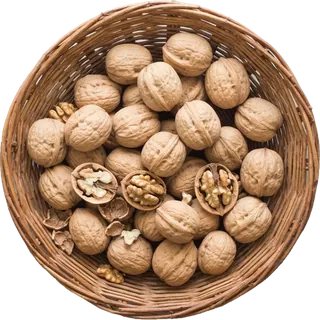
Sellers usually stock almonds “com casca” (in the shell) and already shelled (“miolo”), so it helps to say which you want. It is also worth asking if they are from “a última colheita” (the latest harvest), since dried stock can sit for a year or more.
History
Amêndoa de Trás-os-Montes comes from almond trees grown across every municipality of the Bragança district, on terraced slopes above the Douro and in the drier Terra Quente around Mirandela and Macedo de Cavaleiros. Trees blossom in February, white and pink against bare schist and granite, before the trees themselves show leaf. Growers harvest the nuts in late summer, knocking them from the branches onto cloth, then dry them before cracking. Some municipalities favour particular named varieties, kept for their shell thickness or kernel sweetness.
The almond itself is entirely plant, the kernel of the drupe of Prunus dulcis. No animal product has a traditional place in the raw almond as harvested and dried. Where animal product enters locally is in the sweets built from almonds afterwards — doce de amêndoa and convent-style marzipan use egg yolks as the structural base, and some almond brittles are bound with mel de abelha. The almonds as sold loose in Bragança, whole, shelled or in the shell, carry none of that.
Where to get it
Market stalls and grocers across the Bragança district sell dried almonds year-round, with the fresh harvest appearing from late summer onward. The February blossom brings visitors to the Douro and Terra Quente slopes, though no almonds are yet ready to buy at that time.