Atole Agrio Huasteco
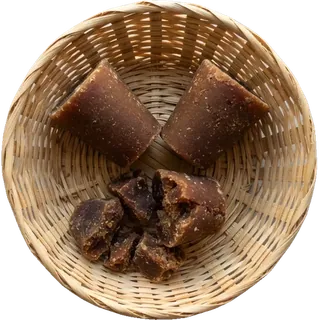
Black-maize masa left to ferment overnight or longer, then simmered with water and piloncillo into a sour, faintly sweet drink. In the Huasteca it appears at wakes, festivals and through Lent.
How to order
¿Tiene atole agrio?
Corn, cane sugar, water and, when used, ground squash seed — there is no animal ingredient at any point to ask about.
History
Atole agrio huasteco comes from the Huasteca region spanning Veracruz and neighbouring states, where black maize masa is set aside to sour for a night or longer before being cooked down with water and piloncillo. It is drawn out for wakes, for local festivals, and through the weeks of Lent, served in clay cups rather than poured like an everyday atole.
Corn, cane sugar and water make up the drink, and some cooks thicken it further with small balls of pipián, a paste ground from squash seeds — also plant-based, so the addition changes only the texture, not the dish's standing. There is no animal ingredient at any stage, including the souring itself, which comes from the masa's own fermentation rather than from milk or lard as in some other atoles.
Where to get it
Market stalls and home kitchens across the Huasteca, most often at wakes, local festivals and during Lent; rarely sold outside the region.