Bajana
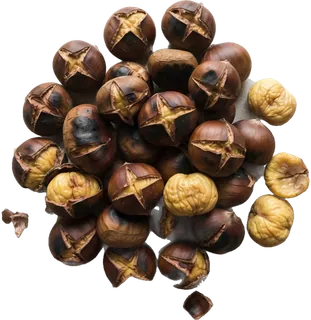
Dried chestnuts are simmered for hours in water with a bay leaf until they break down into a thick, pale soup. It was the winter supper of the Cévennes, eaten in Lozère, Gard and Ardèche households once wheat ran short before spring.
How to order
Une bajana sans lait, s'il vous plaît.
Ask with “Une bajana sans lait, s'il vous plaît”; since the milk is added at the table rather than cooked into the pot, the request is easy to meet.
History
Bajana takes its name from Occitan, the language of the Cévennes, and is known in French simply as soupe de châtaignes. Dried chestnuts, peeled and smoked over weeks in the clède, the chestnut-drying hut found in Cévenol villages, were ground or left whole and boiled through the winter months in Lozère, Gard and Ardèche, when wheat was scarce and the chestnut, called l'arbre à pain, the bread tree, carried whole households from November to March. Rural depopulation and the decline of the chestnut economy through the twentieth century emptied many of the terraced groves that once fed it.
The base itself holds nothing animal: chestnuts, water and a bay leaf, simmered down to a soup thick enough to stand a spoon in. What changes it is a jug of milk set on the table, poured into the bowl once the soup is ladled out, a step added by whoever is eating rather than by the cook. The pot itself stays plant-based throughout, which makes the question a simple one to settle: whether milk goes in once the bowl reaches the table.
Where to get it
Village cafés and winter market stalls across Lozère, Ardèche and Gard, especially around the autumn chestnut fairs in October and November; a bowl runs about 4-6 euros.