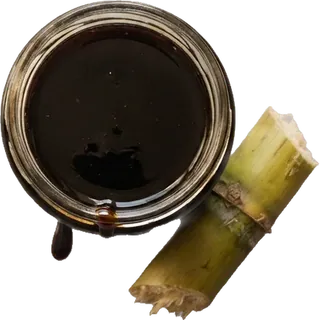
Cana Sacarina
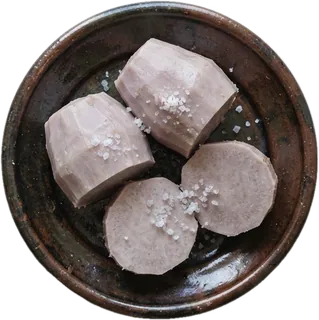
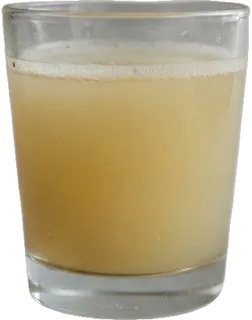
Cana sacarina is sugarcane grown on Madeira's terraced slopes, cut into lengths and chewed for its juice, or pressed at engenhos for aguardente and mel de cana. Market stalls sell short stalks for sucking during the cane harvest.
How to order
Um pedaço de cana sacarina, por favor.
At market stalls during the cane harvest, sellers sometimes ask whether the piece is “para chupar”, for sucking on the spot, or destined for the mill; a buyer wanting one to chew just asks for “cana para comer”.
History
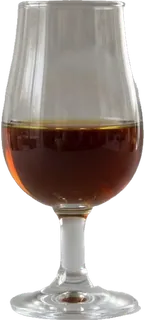
Cana sacarina grows on Madeira's south-facing terraces, from Câmara de Lobos through Ribeira Brava to Calheta and Porto da Cruz, cut in winter when the stalks are at their sweetest. Growers cut the cane by hand, strip the leaves, and either sell short lengths whole for chewing or take them to an engenho, a cane mill, to be pressed. The pressed juice is boiled down into mel de cana or distilled into aguardente de cana, the island's cane spirit.
The plant is wholly sugarcane: stalk, juice, and the syrup and spirit made from it. No animal product has a traditional place in cana sacarina, in mel de cana, or in aguardente de cana. The nearby point of comparison is mel de abelha, bee honey, used to sweeten cakes such as bolo de mel; mel de cana is molasses, a plant syrup, and the two are not interchangeable even though both carry the word mel. Fining with gelatin or isinglass, used for some wines, has no established role in the cane spirit either.
Where to get it
Found at Madeira's produce markets, including Mercado dos Lavradores in Funchal, and sold at roadside stands near the cane fields of Calheta and Porto da Cruz during the winter harvest.