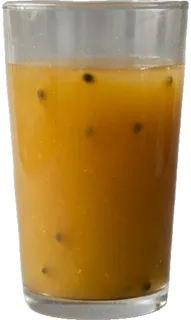
Capucho
Capucho is a small golden berry wrapped in a papery husk, grown on garden plants in the Azores and eaten fresh off the branch, its flesh tart and faintly sweet, sold by the handful at local markets in late summer.
How to order
Queria meio quilo de capuchos, por favor.
Ask whether they are ripe enough to eat raw, since sellers sometimes pick them slightly green; “estão bons para comer agora?” is the usual question. The husk should be papery and loose rather than tight and green against the fruit.
History
The capucho is the fruit of Physalis peruviana, a low spreading plant kept in garden corners and along fences across São Miguel and Terceira, prized for its husk that opens to reveal a single golden berry. Growers let it ripen through late summer into autumn, picking by hand as the papery calyx dries and browns. Eaten raw, straight from the husk, it is also called tomate capucho or rebuçado locally, and some households stew it briefly with sugar for a thin jam kept for winter.
The berry and its husk are entirely plant, built from the fruit's own flesh and seeds with nothing else introduced. No animal product has a traditional place in capucho, raw or stewed. Where Azorean cooks sweeten other garden fruit into preserves they sometimes reach for mel de abelha; the thin capucho jam some households make uses plain sugar instead, and the fresh berry eaten from the hand is never touched by yolk, lard or dairy in the way a convent sweet or a butter-rich bolo would be.
Where to get it
Found at local markets and roadside stalls across São Miguel and Terceira, and in home gardens where neighbours pass round a handful; season runs late summer into autumn.