Cassissine
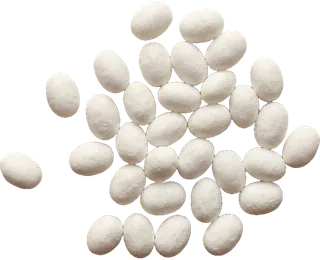
A small hard sugar shell shaped like a blackcurrant, holding a drop of blackcurrant liqueur, made by boiling fruit pulp and sugar and setting the shape in starch moulds. It has been made in Dijon since 1882 and is sold today in the city's confectioners as an everyday sweet and a gift from Burgundy.
How to order
Une portion de cassissines, s'il vous plaît.
Ask the confectioner whether the shell is set or glazed with gelatin by saying “Est-ce qu'il y a de la gélatine dedans ?” Most cassissines are just cooked blackcurrant, sugar and liqueur, but asking settles it before buying.
History
Cassissine is a Dijon confection, made since 1882 by boiling blackcurrant pulp with sugar until it concentrates, then dropping the syrup into starch moulds to set into a thin hard shell around a drop of blackcurrant liqueur. Blackcurrant growing spread across the Côte-d'Or after phylloxera destroyed much of the region's vineyards in the late nineteenth century and growers planted cassis bushes on land that had carried vines, feeding both the crème de cassis distillers and the city's confectioners. The sweet is sold year-round in Dijon's confiseries and bought as a local souvenir alongside mustard and gingerbread.
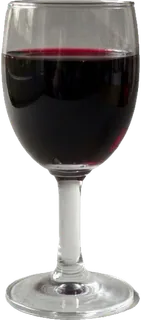
The sweet is built on fruit, sugar and alcohol throughout: blackcurrant pulp or juice, sugar, and a few drops of blackcurrant liqueur sealed inside the shell, with nothing animal required by the recipe. The hard outer shell is set by cooking the syrup to a high temperature and casting it in moulded cornstarch, not by gelling it, so no setting agent is needed for the body of the sweet. Some French fruit confections, particularly soft jellied ones, are set or glazed with gelatin drawn from animal bone and skin, so it is worth asking a confectioner whether their cassissine recipe uses gelatin anywhere.
Where to get it
Confiseries and pâtisseries in central Dijon, including stalls near Les Halles, open year-round and sold by weight, around 3 to 5 euros for 100 grams.