Cebola Garrafal
Cebola garrafal is a large, bottle-shaped onion grown in the Tâmega and Sousa valleys around Penafiel, picked late in the season and valued for pale flesh with little bite.
How to order
Queria cebolas garrafais bem grandes, por favor.
Sellers may ask whether you want them “para comer cru” or “para assar”, since the largest, mildest bulbs are usually set aside for eating raw and the smaller ones for roasting.
History
Cebola garrafal takes its name from its bottle-like shape, swollen at the base and narrowing toward the neck, and it can grow to the size of a small melon. Growers around Penafiel sow it in spring and leave it to mature late, lifting the bulbs from September into autumn and curing them in the field before storing through winter. The flesh is pale and low in sharpness, so it is eaten raw in thick slices as often as it is roasted. Penafiel's autumn onion fair has long centred on this variety.
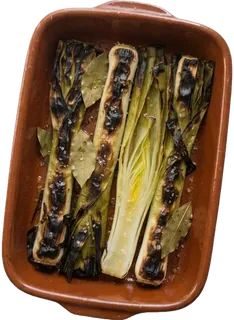
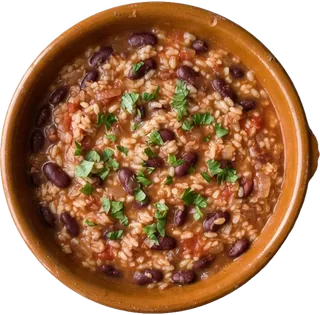
The onion itself is entirely plant: bulb, leaf layers and the moisture that keeps it pale and mild. No animal product has a traditional place in a raw or roasted cebola garrafal. In the region's bean and cabbage pots, onion is one of the vegetables set in at the start alongside cured pork — toucinho or chouriço. Cebola garrafal, though, is bought and eaten apart from that style of cooking, sliced on its own with olive oil and vinegar or roasted whole, so the cured pork never enters it.
Where to get it
Market stalls and greengrocers in Penafiel and the wider Tâmega e Sousa area sell it from autumn through winter, and the town's annual onion fair, held each autumn, is built around the variety.