Chistr
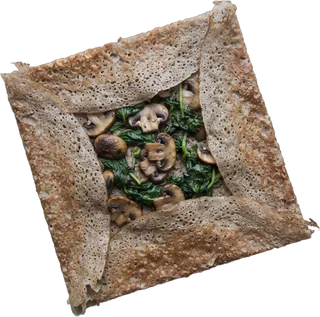
Cider pressed from small, hard, bitter apples grown in the orchards of Finistère and Morbihan, drier and more tannic than cider from Normandy. It ferments slowly over weeks and is served cold in a shallow bowl, poured alongside a buckwheat galette at lunch or at a fest-noz.
How to order
Ur bannac'h chistr, mar plij.
Chistr is apples and yeast with nothing animal added during fermentation, but some cideries clarify the finished cider with gelatin before bottling, so ask at the stall or the cidery, 'Est-ce que ce cidre est collé à la gélatine ?' A small producer who racks and waits instead of fining can usually answer on the spot.
History
Chistr is Breton for cider, cidre in French, and the drink of Finistère and Morbihan rather than of Brittany's dairy country further east. It is pressed each autumn, from October through November, from small bitter and sharp apple varieties grown in traditional high-stemmed orchards rather than from eating apples, then left to ferment slowly in barrels or vats over weeks or months. Fouesnant, in Finistère, holds an annual cider and apple festival each July and calls itself the department's cider town. Many of Brittany's old orchards disappeared across the twentieth century as farms turned to dairy and grain, and cider production shrank with them.
The drink itself is just apples and yeast: the fruit is crushed, pressed, and left to ferment on wild or added yeast, with no dairy or egg involved at any stage. The question is fining. Cloudy young cider is sometimes cleared with gelatin, a traditional fining agent that settles out haze-forming tannins and pectin before bottling, in place of bentonite or simple time and cold settling. Supermarket and larger cideries are more likely to use it than small producers who rack and wait, so it is worth asking the cidery or the cave directly whether gelatin went into the batch before it reached the bottle.
Where to get it
Crêperies across Finistère and Morbihan serve chistr by the bolée alongside galettes, and cideries around Fouesnant and Le Faou sell bottles direct from the cellar; a bolée runs €2-€4 in a crêperie, a 75cl bottle €4-€8 from the producer.