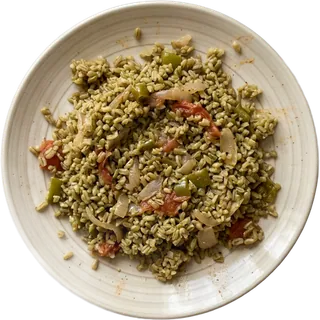
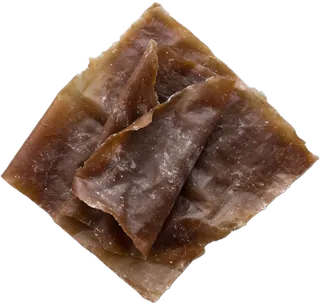
Çiğ Köfte
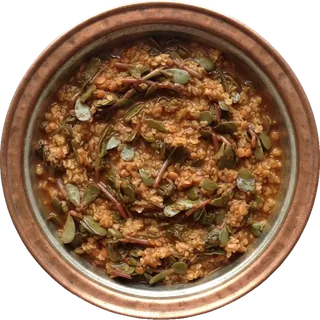
Fine bulgur kneaded for an hour with pepper paste, isot, onion and spices until it binds and warms under the hands, squeezed into ridged fingers and wrapped in lettuce with lemon.
How to order
Bir dürüm çiğ köfte, bol limonlu, lütfen.
Here is the thing worth knowing: the raw-meat original has been banned from sale in Turkey since 2008 on food-safety grounds, so every çiğ köfte sold in a shop anywhere in the country is bulgur and pepper and nothing else. The homemade version in a private house may still contain meat.
History
Çiğ köfte is a speciality of Urfa in southeastern Turkey, shared between Turkish and Armenian cuisine. Its name means “raw meatball”, from çiğ and köfte, the latter tracing through Persian to a root meaning to grind or pound.
Traditionally made with raw meat, it was banned in that form by Turkey’s Health Ministry in 2008 over hazards such as taeniasis, leaving shop versions made only of bulgur and pepper paste. A homemade batch may still use meat.
Where to get it
Şanlıurfa and Adıyaman, where it belongs, and from chain shops on every high street in Turkey.