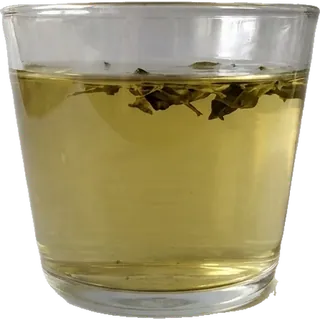
Gemmerbier
Ginger, sugar and raisins ferment together in a covered bucket at home until the brew turns fizzy enough to pop its cap. Poured cold at Western Cape wedding tables and Eastern Cape homestead ceremonies alike, often set beside umqombothi for guests who do not drink alcohol.
How to order
Gee my asseblief 'n bottel gemmerbier.
Ask whether the batch was sweetened with honey or plain sugar, since honey cannot be filtered back out once it has fermented into the bottle: “Is daar heuning in, of net suiker?” Many farm stalls and padstal counters in the Western and Eastern Cape run the till in English as well as Afrikaans, but the question lands clearer in Afrikaans.
History
Gemmerbier is Afrikaans for ginger beer, brewed at home rather than bought, in farming households across the Western Cape winelands and Eastern Cape towns. A cook boils ginger root with sugar and water, adds raisins and a little yeast, then leaves the mixture in a covered bucket for several days until it ferments hard enough to lift a lid or blow a bottle cap. Ginger reached the Cape through the Dutch East India Company's trade, cooked into Cape dishes largely by people enslaved from Indonesia, Madagascar, India and East Africa. The drink is poured at weddings in both provinces and at Eastern Cape homestead ceremonies, often beside umqombothi.
The base is entirely plant: ginger, sugar, raisins, water and yeast, left to ferment without any animal input at all. Some cooks swap in honey for part or all of the sugar, which brings bee product into the pot at the fermentation stage rather than at the table, so a bottle cannot be corrected afterward the way a drink poured over ice might be. What has to be settled, then, is which sweetener went into the bucket before it was capped, since honey and sugar look identical once dissolved and fermented out.
Where to get it
Farm stalls, church bazaars and padstal roadside stops across the Western Cape winelands and Eastern Cape towns such as Oudtshoorn and Humansdorp, sold by the bottle for R15 to R25, more often homemade than bought from a formal shop.