Haricots Gris du Jura
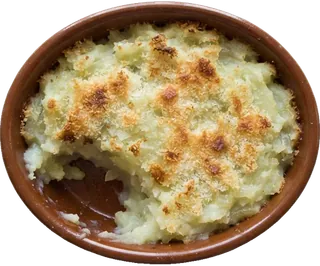
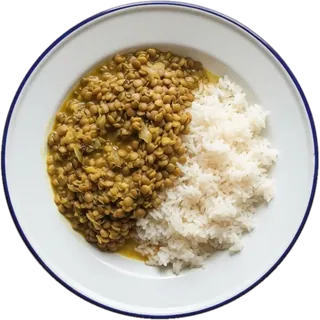
Dried grey-mottled beans from the Jura plateau, soaked overnight and simmered slowly with onion and the region's white wine until the sauce thickens around them. The dish is a winter staple in farmhouse kitchens across Jura and Doubs, eaten with smoked sausage at Sunday lunch from November to March.
How to order
Une assiette de haricots gris sans saucisse, s'il vous plaît.
Ask for the beans without the sausage with “Une assiette de haricots gris sans saucisse, s'il vous plaît.” If lardons went into the pot at the start of cooking, the dish cannot be made plain afterward, so it is worth asking before it is dished up.
History
Haricots gris du Jura are a grey-mottled bean grown on limestone plateau farms across the Jura and Doubs departments, sown in May and left to dry on the vine before a September harvest. Growers thresh and sieve the pods by hand and sun-dry the beans before storage, a method that nearly disappeared as cheaper imported beans and the mechanisation of Jura farms pushed small growers out through the 1960s and 70s. A growers' association later revived the variety and secured it a Label Rouge quality mark in the late 1990s, and it is now a fixture of Franche-Comté winter cooking.
The bean itself cooks in nothing but water, onion and the region's white wine, usually a Côtes du Jura, until the starch thickens the liquid into a light sauce, which makes the base plant-based on its own. What usually sits beside it is not: Jura kitchens serve the beans most often with a smoked Morteau or Montbéliard sausage simmered in the same pot, or with lardons stirred in at the start of cooking, so the sausage has to stay out of the pot and the cooking liquid has to be checked for added bacon fat.
Where to get it
Farmhouse auberges and bean growers' markets across the Jura and Doubs, especially around Lons-le-Saunier, where a plate with bread runs €8-€14; dried beans are sold at the town's Saturday market through autumn and winter.