Hōtō
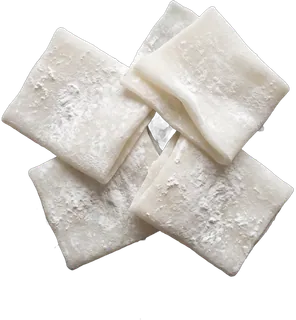
Broad flat noodles cut from unrested dough and dropped straight into a miso stew of pumpkin and root vegetables, so the flour thickens the whole pot as it cooks.
How to order
肉なしで、昆布だしで作ってもらえますか。
The mountain original was pumpkin, vegetables and miso — flour and field crops, because that is what the valley had. Pork and bonito stock are a modern restaurant habit rather than part of the dish.
History
Hōtō originated in mountainous Yamanashi near Kōfu, where wheat and squash suited the terrain better than rice. Thick, unrested noodles cook soft, releasing starch into the pot, a one-pot method for feeding a household through cold mountain winters.
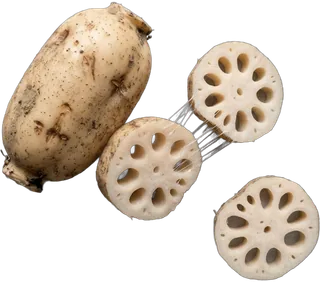
Originally plant-based, hōtō simmers kabocha, daikon, carrot, taro and shiitake in miso with kombu dashi, thickened by noodle starch; no meat was used, as pork or fish stock came later via restaurants, not the dish’s original logic.
Where to get it
Kōfu and the villages below Mount Fuji, in iron pots brought boiling to the table, from autumn through winter.