İmroz Kaparisi
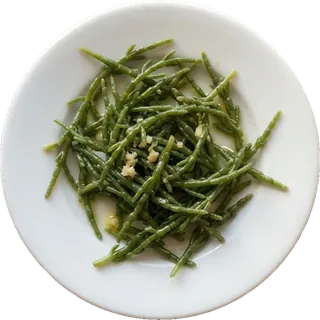
İmroz kaparisi is caper buds and the young shoots that trail from them, hand-picked off the dry stone walls and rocky slopes of Gökçeada, then packed in salt and put down in a jar of vinegar and water. The buds stay tight and dark green; the shoots are sliced and brined alongside them.
How to order
Bir kavanoz İmroz kaparisi alabilir miyim, lütfen?
The jar itself never contains animal product, so there is nothing to clarify beyond freshness. A seller will confirm it is “tuz ve sirkeyle hazırlandı” (prepared with only salt and vinegar) if asked.
History
Gökçeada, called İmroz in Greek and still referred to by that name among its older Rum residents, is Turkey's largest island, set in the northern Aegean off the Gallipoli peninsula in Çanakkale province. Caper bushes grow wild there, rooting in the cracks of dry stone walls and limestone outcrops across the island's interior. Through late spring and early summer, islanders - both Turkish settlers and the remaining Greek Orthodox families - go out before dawn to pick the unopened buds, called kapari in Turkish and kápari in Greek, along with the tender young shoots. The buds are graded by size, layered with coarse salt to draw out their bitterness, then rinsed and put down in jars with vinegar, water and more salt.
Every ingredient in the jar is plant: the caper buds and shoots themselves, the salt that cures them, the water and vinegar that make the brine. No butter, stock, yogurt, meat or dairy enters at any stage of picking, salting or bottling, and none is added afterward at the table, the way yogurt might be spooned over a vegetable dish elsewhere in Turkish cooking. There is no point in the process to ask about, because none exists; a jar of Gökçeada capers bought from a village market or a Rum grocer is the same jar whether it ends up beside a fish plate or a bowl of olives, and the capers themselves carry no trace of either.
Where to get it
Sold in village markets and small grocers across Gökçeada year-round, with the freshest jars appearing in June and July just after the spring picking.