Kenchinjiru
Root vegetables and torn tofu fried in sesame oil and then simmered in a clear broth — a soup said to have been invented at a Zen monastery out of a dropped block of tofu, and built from the start without meat or fish.
How to order
精進だしで作っていますか。
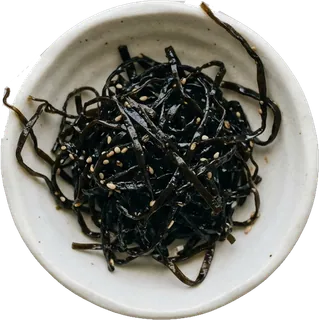
The temple version uses kombu and dried shiitake and nothing else — that is the original. Restaurants off the temple grounds often reach for bonito stock instead, so the question is only about the liquid.
History
Kamakura’s temple kitchens, where wooded hills meet the sea, built a cooking style from local daikon, carrot, burdock root, taro and konnyaku. Vegetables are fried briefly in sesame oil, then simmered with torn tofu in clear broth, a two-step method giving depth without meat stock; it became a warming cold-season dish.
Rooted in Zen monastery fasting discipline, which forbade meat and fish, kombu and dried shiitake supplied savour otherwise drawn from bonito, with tofu and konnyaku standing in for animal protein. Outside temples, restaurants commonly use bonito-based stock instead, so its plant-based character must be asked about, not assumed.
Where to get it
Kenchō-ji in Kamakura, which gave the soup its name, and household kitchens across Japan once the weather turns.