Khobz Siwi
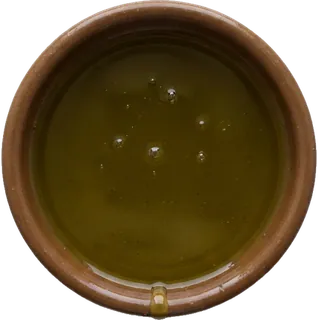
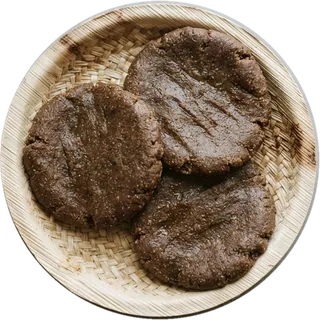
Khobz siwi is a flatbread baked directly against the inner wall of a clay oven in Siwa Oasis, then torn and eaten with zaatar and local olive oil. The crust blisters where it meets the hot clay; the crumb stays soft inside.
How to order
ممكن خبز سيوي بالزعتر والزيت، من غير سمنة لو سمحت
The everyday loaf is flour, water and salt with no added fat, but a few stalls near the market brush extra ghee on the crust for sheen; asking ‘من غير سمنة’ (without ghee) settles it either way.
History
Khobz siwi is baked in Siwa Oasis, in Egypt's Western Desert, by Siwi Amazigh families who speak Siwi at home and farm the oasis's date palms and olive groves. The bread is shaped into flat rounds and slapped against the heated inner wall of a clay oven, where it sticks and bakes in minutes before being pulled free with a quick hand. Flour comes from wheat traded in from the Nile Valley or bought in Siwa town market. Documented from twentieth-century accounts of oasis households, the bread is made fresh for most meals and served still warm, torn by hand rather than cut.
Khobz siwi is made from wheat flour, water and salt, with no fat worked into the dough and no egg or dairy added. This sets it apart from richer breads elsewhere in Egypt that use samna or milk in the crumb. The only addition at the table is zaatar, a dry thyme-and-sesame mix, and olive oil pressed from Siwa's own groves, both plant in origin. A diner does not need to ask about ingredients or substitutions here; the standard loaf, baked the same way in accounts documented since the twentieth century, contains nothing from an animal to begin with.
Where to get it
Khobz siwi is baked daily in home ovens and at small bakeries around Siwa town and its surrounding villages, sold warm in the morning market or served with meals at local guesthouses.