Khubz Jabati
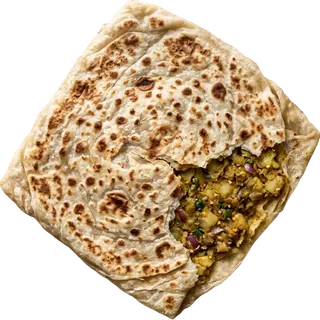
A thin, unleavened flatbread rolled out and cooked on a flat tawa, torn by hand to scoop up curry or dipped into date syrup and sweet tea. It crossed the Indian Ocean with centuries of trade and is now a fixture of the Omani breakfast table.
How to order
ممكن خبز جباتي بالزيت، لو سمحت؟
Ask for it finished with oil rather than ghee: “ممكن خبز جباتي بالزيت؟” (“Can I have khubz jabati with oil?”). The dough itself raises no questions, only the final brush of fat does.
History
Khubz jabati is Oman's version of the Indian chapati, carried across the Indian Ocean by generations of trade and settled firmly into Omani kitchens, especially around Muscat and in the Dhofar region. It is rolled thin and cooked on a tawa, and has long since stopped being a borrowed dish, eaten daily rather than on occasion.
The dough is flour, water and salt, nothing more. The one place an animal ingredient can enter is the brushing of fat done once the bread comes off the heat, which some kitchens do with oil and others with ghee. Asking for the oil version leaves the bread exactly as its dough started out.
Where to get it
Breakfast stalls, home kitchens and roadside cafés across Muscat and Dhofar, usually served in the morning alongside curry, date syrup or sweet tea.