Laranja do Douro
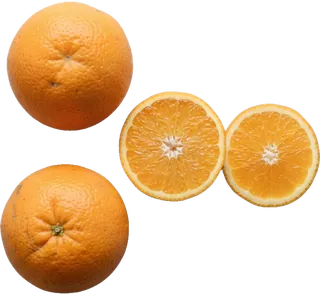
Laranja do Douro is an orange grown on the schist terraces of the Douro, planted among the vine rows where stone walls hold the day's warmth into the night. The fruit is small, thin-skinned and notably sweet.
How to order
Queria um quilo de laranjas do Douro, por favor.
At the stall it helps to say whether you want them “para sumo” or “para comer”, since thinner-skinned fruit bruises more easily in transport than it needs to for juicing. Otherwise there is little to clarify — sellers will simply ask “quantas quer?”
History
The orange trees grow on terraces cut into schist above the Douro river, often planted at the edges of vineyard plots or along retaining walls, where growers value the extra warmth the stone gives off after dark. Smallholders in the Vila Real district tend a few trees alongside vines rather than running dedicated orchards. Harvest runs through winter, from December into February, when the fruit reaches full colour, and skin thickness varies from tree to tree depending on how sheltered the plot is.
The fruit itself is plant: pulp, juice and peel, eaten fresh, pressed for juice, or candied into preserves. No animal product has a traditional place in a Laranja do Douro sold at a market stall or eaten off the tree. The orange turns up elsewhere in the region's baking, in bolo de laranja and other sponge cakes, where egg yolks form the structural base of the batter; that step belongs to the cake recipe, not to the fruit, which goes into those cakes whole and unaltered.
Where to get it
Markets and greengrocers in Vila Real and along the Douro valley stock them through the winter harvest, roughly December to February, and roadside stalls near the terraced groves sell them loose by the kilo in season.