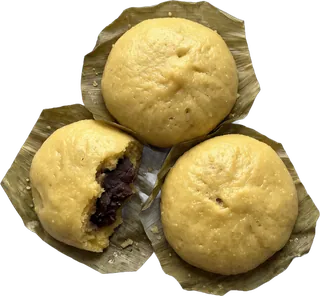
Mantou
A plain steamed bread of wheat flour, water and leaven, white and faintly sweet, serving the north the way rice serves the south.
How to order
来两个馒头。
Flour, water and leaven; filled buns are baozi and often contain meat, so ask for plain mantou.
History
Mantou is thought to have originated in the Qin State during the Zhou dynasty, under King Zhaoxiang (307-250 BCE). Around 300 CE, the Western Jin scholar Shu Xi first used the name mantou in his “Ode to Boiled Cakes”. It became a northern Chinese staple, later spreading as the filled baozi, carried by the Mongols across Central and East Asia in the thirteenth-century Yuan dynasty.
Mantou is plant-based, made only of wheat flour, water and a leavening agent, sometimes with a little sugar. As plain steamed bread, it contains no meat or dairy, unlike baozi, which uses the same dough but often encloses a filling that may include meat.
Where to get it
Steamer baskets at every market and canteen in northern China, sold warm by the piece.