Marmelada Branca de Odivelas
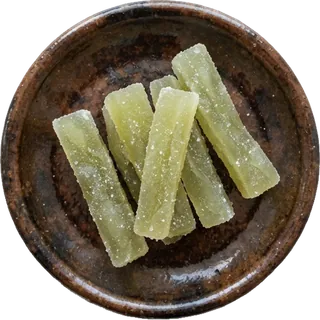
Marmelada branca de Odivelas is a quince paste cooked from peeled quince flesh alone, sugar, water and lemon juice, so it sets pale gold rather than the deep red-brown of ordinary marmelada. It is firm enough to cut cleanly with a knife.
How to order
Queria um bocado de marmelada branca, por favor.
Ask whether it is the pale version rather than the common reddish marmelada, since both are often sold next to each other — “é a marmelada branca?” is the question to ask. Sellers usually cut it to order, so you can also say “um pedaço mais fino, por favor” for a thinner slice.
History
Marmelada branca de Odivelas is a quince paste made in the Lisbon district of Odivelas, traced to the kitchens of the Mosteiro de São Dinis e São Bernardo. Quinces are peeled and the flesh alone is cooked down with sugar, water and lemon juice until it sets firm enough to slice. The result is pale, almost ivory, unlike the deep red-brown marmelada made elsewhere from the whole fruit including skin and core. It is poured into shallow moulds, cooled, and cut into blocks or slices for sale.
Everything in marmelada branca is plant: quince flesh, white sugar, water and lemon juice, reduced together over heat until firm. No animal product has a traditional place in it. This sets it apart from the convent sweets for which Portuguese monastery kitchens are generally known, where egg yolks form the structural base of almost every recipe; marmelada instead sets on the pectin naturally present in the fruit, with no egg, dairy or other animal product worked in at any stage.
Where to get it
Found in pastelarias, mercados and conserva shops around Odivelas, including those near the former convent, and in Lisbon delicatessens that stock regional preserves. Quinces are harvested in autumn, though the finished paste is sold through the year.