Meinong Baiyu Luobo
A small white radish grown as a winter catch crop in Meinong, a Hakka town in Kaohsiung. It is ready forty-five days after sowing, has skin thin enough to leave unpeeled, and is picked through November and December.
How to order
老闆,白玉蘿蔔怎麼賣?
The raw radish and the salt-dried caipu contain nothing but radish and salt; the question belongs to the cooked dishes, where 「這個湯有放排骨嗎?」 asks whether a radish soup was made with pork ribs.
History
The variety came from Japan and is grown at this scale almost nowhere else in Taiwan. It is sown in October, between the second rice crop and the first of the following year, and pulled about forty-five days later, which confines the fresh season to November and December. Meinong's autumn dew and low rainfall suit it. For decades the winter ground here was under tobacco, and the radish moved from field edges and odd corners into the rotation as tobacco declined. The name comes from a couplet to the earth deity in the main hall of Hakka courtyard houses, which speaks of white jade in the soil. The district farmers' association has run a pulling season since 2006, centred on the square at the Hakka Cultural Museum.
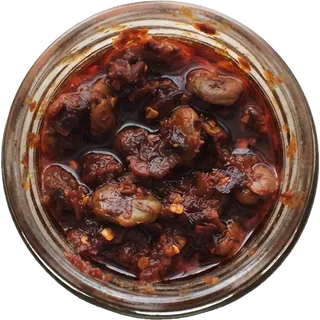
The radish is a root, eaten raw, pickled or cooked, and the preserving that Meinong is known for adds only salt and sun: the radish is split, salted, weighted and dried into caipu, and some households keep jars of it for years until it turns black and is used as aged radish. Animal ingredients enter at the stove rather than in the field or the jar, when the fresh radish is simmered with pork ribs, or the dried radish is fried with egg or with small dried fish. Bought at the roadside in December, or as a bag of salt-dried caipu, it is a vegetable and nothing else.
Where to get it
Farm stalls throughout Meinong and pick-your-own fields during the November and December season, the Meinong District Farmers' Association, and the annual radish season event on the square in front of the Meinong Hakka Cultural Museum.