Pão de Ul
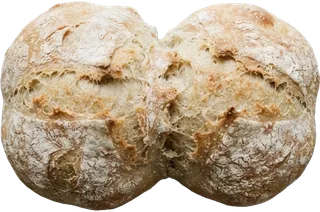
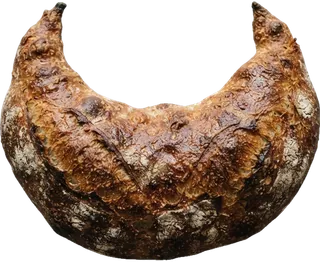
Pão de Ul is a wheat loaf from Ul, in Oliveira de Azeméis, Aveiro district, made by joining two rounds of dough into one lightly salted loaf with a soft white crumb. It carries a protected geographical indication.
How to order
Queria um pão de Ul, se faz favor.
Loaves are sold whole, so the main thing worth confirming is freshness, asking for “um pão fresco de hoje”; the joined shape and size are fairly standard from stall to stall.
History
Pão de Ul is a wheat bread made in Ul, a parish of Oliveira de Azeméis in the Aveiro district. Bakers shape two rounds of dough and press them together before baking, giving the loaf its characteristic joined form and a line across the crust where the two halves meet. The crumb is soft and white, the crust lightly floured, the taste only lightly salted. It is baked through the week in local ovens and sold in Ul and in nearby markets and bakeries across the district.
The dough is wheat flour, water, salt and yeast — all plant. No animal product has a traditional place in pão de Ul. In richer Portuguese breads such as folar or massa sovada, egg yolks and butter or lard are worked into the dough for colour and softness; pão de Ul, made for daily eating rather than festive tables, is not enriched in that way, and both joined rounds come from the same plain dough.
Where to get it
Bakeries in Ul and across Oliveira de Azeméis bake it through the week, and it also appears on market stalls elsewhere in the Aveiro district, with no strong seasonal limit.