Pebre
Cilantro, onion, chilli and garlic are chopped fine and loosened with oil, vinegar and water into a thin, spoonable sauce. It is set on the table with bread before any food is ordered, standard at asados and family lunches across central Chile's Región Metropolitana and Maule.
How to order
¿Me trae un pebre, por favor?
Pebre needs no clearing, since onion, chilli, garlic and cilantro are the whole of it. The bread that lands with it is the question worth asking: “¿El pan es con manteca, o tienen marraqueta?” — pan amasado is often made with lard, marraqueta usually isn't.
History
Pebre takes its name from the Chilean Spanish word for pepper, pebre, descended from the Catalan and Occitan pebre that Spanish colonists carried to the Americas. It is made across the central valley, from the capital's Región Metropolitana south through the vineyards and wheat fields of Maule, wherever an asado is lit or a loaf of pan amasado comes out of the oven. Cooks chop cilantro, onion, chilli and garlic fine by hand, then thin the mix with oil, vinegar and water until it pools rather than clumps. It sits on every table before the meal is ordered, alongside bread, at family Sunday lunches and roadside parillas alike.
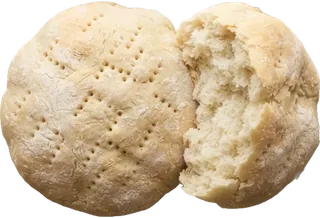
The sauce itself is entirely plant: cilantro, onion, chilli, garlic, oil, vinegar and water, with nothing cooked and nothing added at the table. The question sits in the bread beside it. Pan amasado, the round, dense loaf most commonly set alongside pebre, is traditionally kneaded with manteca, pork lard, worked into the dough before baking; marraqueta, the other common loaf, is usually made with oil instead. What needs settling, then, is not the pebre but which bread arrives with it.
Where to get it
Parrillas, fondas and family-run picadas across Santiago's Región Metropolitana and the vineyard towns of Maule, including Talca and Curicó, set on the table free with the bread before anything else arrives; a meal with pebre and bread runs CLP 6,000-10,000.