Pinhões de Alcácer
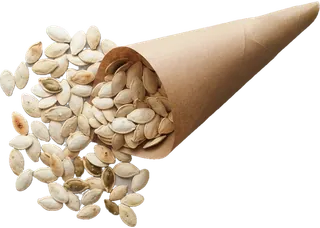
Pine nuts from the stone pine forests between Alcácer do Sal and Comporta, picked from the cone by hand and dried in the sun rather than any machine. Portugal is one of Europe's main producers, and this stretch of sandy coast is where much of it grows.
How to order
Um saquinho de pinhões de Alcácer, por favor.
There is nothing for a seller to clarify beyond weight and price; the seed itself never passes through an animal ingredient at any stage of the harvest.
History
Pinhões de Alcácer come from the umbrella pine stands that cover the sands around Alcácer do Sal and Comporta, on Portugal's Alentejo coast. Pickers climb the trees through the winter to bring down the closed cones, which are then spread out in the open to dry until the sun coaxes them apart and the seed inside can be shaken or picked loose. Portugal's standing as one of Europe's main pine nut producers rests largely on groves like these.
The pine nut is a seed, nothing more, and no animal ingredient enters the process from cone to kernel at any point. What the work asks for instead is time: someone has to climb for the cones, and then the sun has to be left alone to finish the job over days or weeks before the nuts can be shelled out.
Where to get it
Sold by weight at markets and roadside stalls in and around Alcácer do Sal and Comporta, and in grocers elsewhere in Portugal, with the fresh crop appearing from late winter into spring.