Pitaroudia Kou
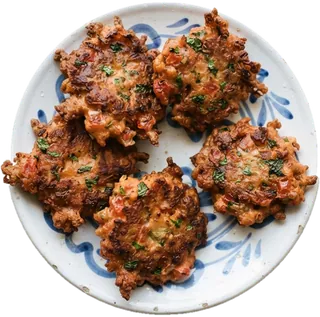
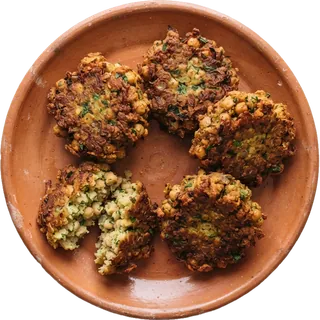
Pitaroudia are small fried fritters from Kos made of grated courgette, onion and tomato bound with chickpea or wheat flour and mint, fried in olive oil until the outside is firm.
How to order
Θα ήθελα πιταρούδια, παρακαλώ.
The dish is naturally vegan as served, so saying “Θα ήθελα πιταρούδια, παρακαλώ” (I would like pitaroudia, please) is sufficient; ask only about any sauce offered on the side.
History
Pitaroudia are fried vegetable fritters associated with the island of Kos, in the Dodecanese group within the South Aegean. Home cooks and taverna kitchens prepare them from courgette and onion, grated and mixed with ripe tomato, bound with chickpea flour or wheat flour, and seasoned with fresh mint. The mixture is dropped by the spoonful into hot olive oil and fried until the outside is firm and golden. The dish is part of everyday island cooking, served as a starter or side rather than tied to a single festival date, and appears on tables through the warmer months when courgettes and tomatoes are in season.
Every component in pitaroudia is plant in origin: the vegetables, the chickpea or wheat flour, the mint, and the olive oil used for frying. No egg is used to bind the mixture, a step some other regional fritters rely on, and no dairy is added to the batter or the frying oil. The dish is naturally vegan as prepared on Kos, with no point in the cooking process where an animal product is introduced. The only variable a diner cannot settle by asking is what accompanies the fritters at the table, such as a yoghurt-based sauce served alongside; that addition, where it occurs, sits next to the fritters rather than inside them, so ordering the pitaroudia itself is enough to keep the fritters plant-based.
Where to get it
Pitaroudia are sold at tavernas and small eateries across Kos, in the South Aegean's Dodecanese island group, and appear most often from late spring through early autumn when courgettes and tomatoes are at their peak.