ሽሮ ወጥ (Shiro Wat)
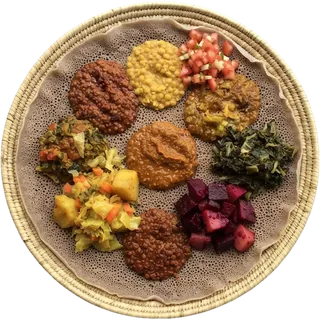
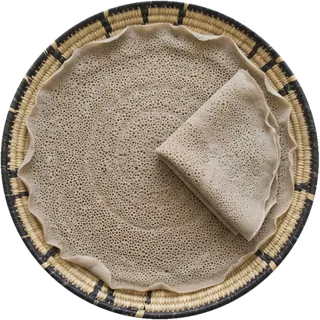
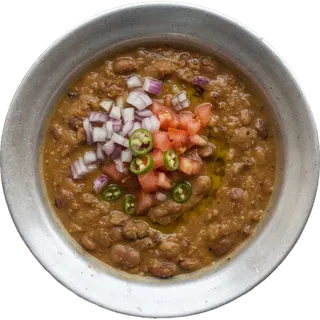
Milled chickpea or broad-bean flour, called shiro powder, is whisked into a simmering base of onion, garlic and berbere until it thickens into a loose, matte paste. It is eaten straight from the cooking pot, scooped up with torn injera, in homes and small eateries across the Amhara region and in Addis Ababa.
How to order
እባክዎ የጾም ሽሮ ወጥ ይስጡኝ።
The sale runs in Amharic, both in home kitchens and in the small eateries called bet or hotela. Asking for “የጾም ሽሮ” (ye'tsom shiro), the fasting version, is the phrase that matters, since it specifies oil in place of niter kibbeh before the pot is even started. On fasting days — every Wednesday and Friday, and through Lent — most kitchens are already cooking it that way by default, so the simpler question is often just whether that day is a fasting day.
History
Shiro is Amharic for a flour milled from chickpeas or broad beans, blended at the mill with garlic, ginger and ground chile into a seasoned powder before it reaches a pot. Wat means stew, so shiro wat is the cooked, thickened form of that powder. The dish is made daily across the Amhara region and in Addis Ababa, where households keep a bag of shiro powder on hand and small eateries called bet or hotela serve it as a standard plate. A cook sautés onion, garlic and berbere, adds water, then whisks in the powder until it thickens to a loose paste, served with injera. Millers at markets such as Merkato sell the powder loose by weight.
The powder itself is plant — milled chickpeas or broad beans, garlic, ginger and chile — and the onion-berbere base it cooks into is also plant. Niter kibbeh, butter clarified with spices, is the default cooking fat outside the Orthodox Tewahedo fasting days, and it goes in at the very start, stirred into the pan before the onions are added. On Wednesdays, Fridays and through the longer fasts such as Lent, the same dish is cooked in oil instead, and restaurants mark it on the menu as yetsom shiro. Because the butter is cooked in at the outset, asking at the table changes nothing once a pot is underway; what has to be settled is whether the fasting version, already made in oil, is what is ordered or already on offer that day.
Where to get it
Sold as a cooked plate in homes, small eateries (bet, hotela) and restaurants across the Amhara region and in Addis Ababa year-round, with the fasting version most common on Wednesdays, Fridays and during Lent; a plate runs roughly 30-80 ETB, and the dry shiro powder itself is sold loose by weight in markets such as Merkato.