Sopa de Castanhas
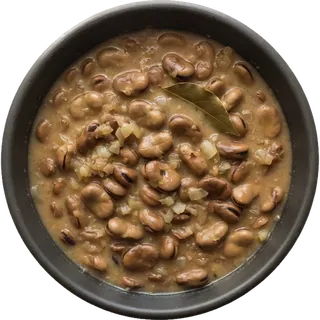
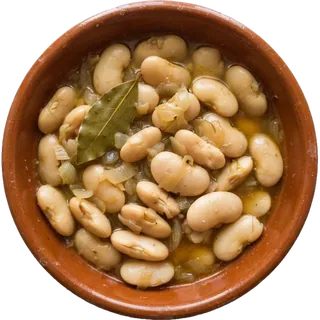
A thick winter soup of dried chestnuts simmered with beans, rice or noodles, from Trás-os-Montes, where the chestnut once did the work the potato does now.
How to order
Uma sopa de castanhas, por favor.
Ask whether a bone or smoked meat went into the pot: “A sopa foi feita com osso ou carne fumada?” Many homes and some restaurants cook it in oil alone.
History
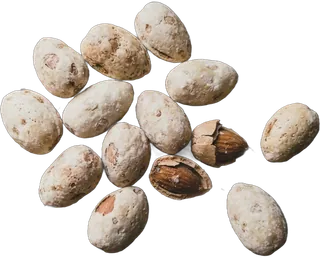
Sopa de castanhas belongs to Trás-os-Montes, the mountainous northeastern corner of Portugal taking in the districts of Bragança and Vila Real, where chestnut trees have covered the terraced slopes for generations. Dried chestnuts are soaked overnight and then simmered slowly with beans, rice or noodles into a thick soup that carried mountain households through the winter in the centuries before the potato took over as the region’s staple.
Chestnut, pulse, olive oil and bay leaf make up the plant base, and none of them depends on an animal product. What complicates the pot is habit: many homes drop in a bone or a piece of smoked meat to deepen the broth, a carry-over from years when meat was scarce and stretched as far as it could go. Asking for the soup without the bone, or finding a version cooked in oil alone, leaves the dish itself unchanged.
Where to get it
Village kitchens and tascas across Trás-os-Montes, Bragança and Vila Real districts, mainly in the cold months when chestnuts are in store.