Thareed Khudar
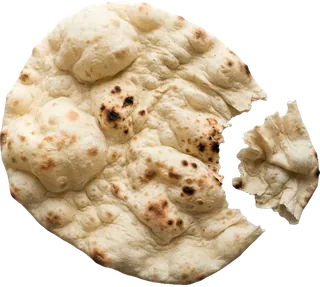
Rakhal bread torn and layered in a wide dish, then soaked with a vegetable stew until it softens into layers to be eaten with the hand. Considered the oldest form of a proper meal in Arabia, and a fixture of Ramadan tables in Oman's interior.
How to order
ممكن ثريد خضار من غير لحم؟
Ask directly for the vegetable stew rather than the meat one: “ممكن ثريد خضار من غير لحم؟” — the two are made separately, so there is no need to pick meat out of the dish afterward.
History
Thareed khudar belongs to Ad Dakhiliyah in inner Oman, where rakhal bread is torn into a wide communal dish and soaked through with a vegetable stew until the bread collapses into soft, stew-soaked layers. Diners eat from the same plate by hand. The dish is counted among the oldest forms of a meal known in Arabia, and it reappears every Ramadan as a fixture of the fast-breaking table.
Bread, vegetable and spice make up the dish at its base, and that version needs no animal ingredient at all. The complication is that the meat version is the one most commonly served, so what lands on the communal plate is often thareed laham rather than thareed khudar; asking specifically for the vegetable stew is the only way to be sure of what is poured over the bread.
Where to get it
Homes and local eateries across Ad Dakhiliyah, most readily found at Ramadan iftar tables.