Waldviertler Mohnzelten
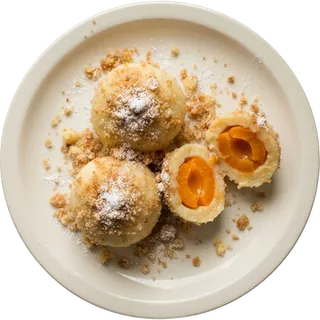
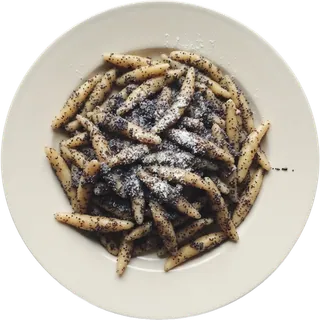
Flat rounds of potato dough filled with sweetened grey poppy seed — field rations that became the Waldviertel's signature pastry.
How to order
Sind die Mohnzelten ohne Ei und Butter gemacht?
The poppy filling is plant-based; ask the baker or farm shop about butter and egg in the potato dough — several Waldviertel producers make a vegan batch.
History
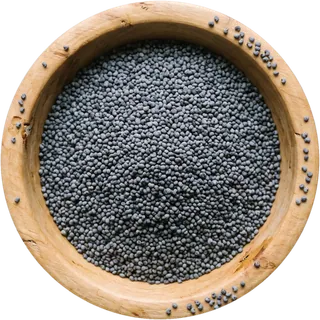
Poppy reached the Waldviertel through the monasteries, where monks grew it from the early Middle Ages for pain and sleeplessness; the first documentary mention is in Abbot Ebro's land register of 1280. On the region's thin granite soils the plant did well enough to become a staple, and Zwettl grey poppy was quoted on the London produce exchange until 1934.
Cheap eastern imports then killed the crop, and it survived only for home use on the farms. The Waldviertler Sonderkulturverein revived it from about 1980, machines were built for the harvest, and in 1997 Waldviertler Graumohn was registered as a protected designation of origin. The village of Armschlag turned itself into the Mohndorf, where the innkeeper's wife rebuilt the Zelten on a potato dough and sold them, as she put it, like warm rolls.
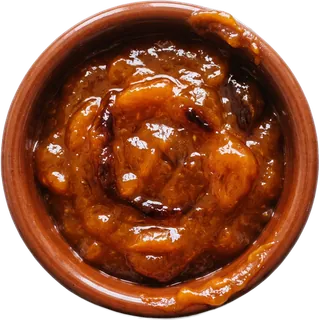
Zelten is an old Germanic word for a flat cake. These were kept as portable rations for work in the forest and the fields — potato dough, poppy, powidl and sugar. Butter and egg in the dough are the common additions, and vegan Mohnzelten are now sold by Waldviertel producers themselves.
Where to get it
Farm shops, markets and bakeries across the Waldviertel, especially around the poppy bloom in high summer and at Christmas.