Zwetschgenmus
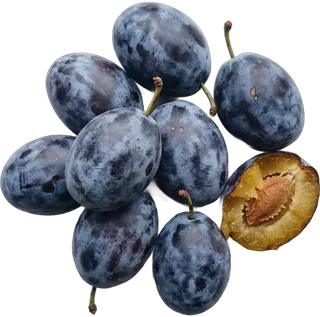
Plums cooked for hours or days until they turn into a dark, thick spread — no sugar needed. Known as Latwerge, Lattwerg or Powidl depending on where you are.
How to order
Ein Glas Zwetschgenmus, bitte.
Zwetschgenmus is vegan as it comes. Spread it on bread or use it as a filling — but check dishes built on it, like Zwetschgenbavesen, for egg and milk.
History
Across southern and western Germany — Baden, Swabia, the Palatinate, Hesse and Franconia — plums were cooked down into a thick, dark purée to keep the harvest through winter. Regional names differ (Zwetschgenmus, Latwerge, Lattwerg, Powidl), but the method is the same: plums, cooked slowly for hours or even days, usually without added sugar.
It was often communal work: in the Palatinate whole villages stirred the big copper kettles, and in southern Hesse and the Odenwald the purée was thickened in the residual heat of the village bakehouse oven. In Franconia it is the base for Zwetschgenbavesen and cake fillings. It is a pure fruit product, and always plant-based.
Where to get it
Farm shops, markets and supermarkets in southern and western Germany, especially in autumn.