Abricot Rouge du Roussillon
A small, thin-skinned apricot freckled deep red where the sun strikes it, grown along the Têt and Tech river plains in Pyrénées-Orientales and picked ripe by hand over three weeks each June. It travels so poorly that most of the crop stays within the department, barely known north of Narbonne.
How to order
Un kilo d'abricots rouges du Roussillon, s'il vous plaît.
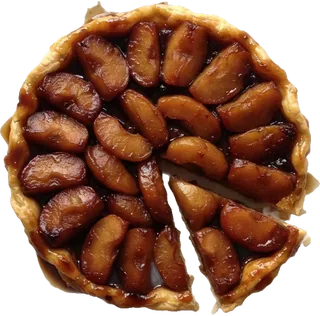
The fruit on its own needs no request — ask simply with “Un kilo d'abricots rouges du Roussillon, s'il vous plaît.” If buying a tart or clafoutis made with it, ask instead for one without butter or egg, since those go in at the pastry stage, not into the fruit itself.
History
The Abricot Rouge du Roussillon is the traditional apricot of the Têt and Tech river plains in Pyrénées-Orientales, grown around Ille-sur-Têt, Millas and Espira-de-l'Agly by family orchards that have worked the same ground for generations. After the Second World War, growers across the country shifted to firmer, longer-keeping varieties bred for refrigerated transport, and the fragile red-fleshed local fruit was grubbed up almost everywhere except Roussillon, where a handful of orchardists kept it going. In 2014 it became one of France's few fruit varieties to receive its own appellation d'origine protégée, recognising the specific soil, climate and three-week June harvest that the label now protects.
The fruit itself carries no animal product at any stage: it is picked, sorted and sold whole, with nothing added before it reaches the market stall. The question only arises if it is cooked into something else — a Roussillon clafoutis, a tart glazed with butter, or a confiture finished with a knob of butter to stop it foaming — all of which add dairy or egg that the fruit does not. Bought as fruit, by the kilo or the basket, there is nothing to ask about and nothing to settle.
Where to get it
Market stalls and roadside stands around Ille-sur-Têt, Millas and Perpignan's Marché de la République, through the three-week harvest in June; sold by the kilo for roughly €4 to €6, often straight from the grower's own crates.