Ouillade
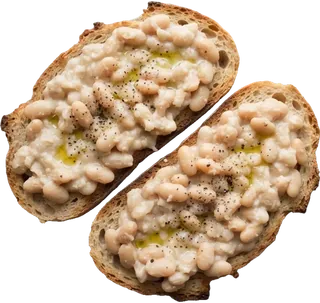
Cabbage, white beans and potato are cooked in two separate earthenware pots, the oulles that give the dish its name, then combined just before serving. It is the everyday winter soup of Catalan Roussillon, eaten at midday in farming villages of the Pyrénées-Orientales.
How to order
Une ouillade sans viande, s'il vous plaît.
Ask with 'Une ouillade sans viande, s'il vous plaît,' and say so before the pot is started: once lard or salt pork has rendered into the broth, it cannot be removed afterward, only left out from the beginning.
History
Ouillade is Catalan for the dish, named for the oulles, the earthenware pots it was cooked in; in French the same borrowed word is used, without translation. It is the winter soup of Roussillon, the French Catalan territory within the Pyrénées-Orientales, cooked in farming and vineyard households from the Aspres hills to the Vallespir valleys. White beans simmer in one pot, cabbage and potato in another, and the two are combined only at the table, so the beans keep their shape instead of turning to paste. The soup improves over several days and was built, like other mountain potées, to feed a family through a week of winter work.
The vegetable base is beans, cabbage, potato and oil, but lard, salt pork, or a piece of botifarra sausage is standard, added directly to the pot during cooking rather than at the table, the way salt pork goes into a vegetable soup elsewhere in France. Once in, it cannot be fished back out, since the fat renders into the cooking liquid itself. A version built on oil alone, with the meat left out from the start, is what has to be asked for, and it exists in home kitchens where Lent or a vegetarian guest calls for it, but not as the standing recipe.
Where to get it
Market-day bars and small family restaurants across the Pyrénées-Orientales, particularly around Céret and Prades in the Vallespir and Conflent valleys, serve it as a winter midday plat du jour; a bowl with bread runs about €8-€12.