Huile de Noix
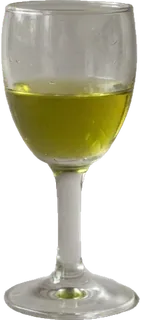
Walnut kernels are ground to a paste, warmed in a cauldron and pressed under a wooden beam in a working mill; the oil turns rancid within months, so it is sold in small bottles and used raw, drizzled over salads in autumn and winter kitchens from Isère to Dordogne.
How to order
Je voudrais une bouteille d'huile de noix, s'il vous plaît.
Nothing to ask: the oil is pressed from walnuts only, with no animal product entering at any stage, so any bottle labeled huile de noix is already plant-based. The one question worth putting to a mill is whether the oil is huile vierge, pressed cold, or the more traditional huile chaude, warmed before pressing, which is a matter of taste rather than of what it contains.
History
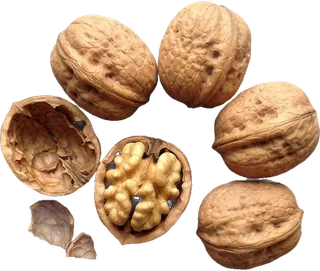
Huile de noix is pressed in traditional oil mills, moulins à huile, across two walnut regions: the Isère valley around Grenoble, where the Noix de Grenoble has carried an AOC since 1938, the first fruit product in France to hold one, and the Dordogne valley around Sarlat and Brantôme, home to the Noix du Périgord. Walnuts are harvested each autumn, shelled over winter in farmhouses, then carried to the mill, where the kernels are ground into a paste, warmed in a cauldron and pressed under a wooden beam, much as mills here have run for generations.
The oil is pressed from walnuts alone: nothing animal enters at any stage of grinding, warming or pressing. French cooking usually hides butter, cream or lard somewhere in the process, but here there is no cooking stage for it to hide in — the paste is only warmed, not cooked in fat, and the press extracts the oil mechanically. The one question worth putting to a mill is whether the paste was warmed before pressing, huile chaude, more pronounced in taste, or pressed cold, huile vierge, pressée à froid, which is a matter of flavor, not of animal content.
Where to get it
Artisanal moulins à huile in Isère, around Vinay and Saint-Marcellin, and in Dordogne, around Sarlat and Sainte-Nathalène, press to order and sell direct from the mill; a 25 cl bottle runs 8-12 euros, and Saturday markets in both departments stock it alongside the walnuts themselves, mainly from October through spring.