Mojette de Vendée
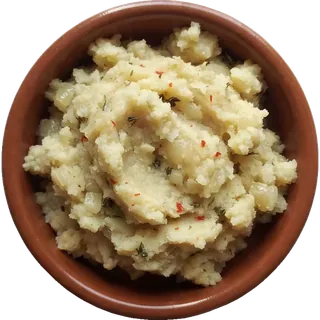
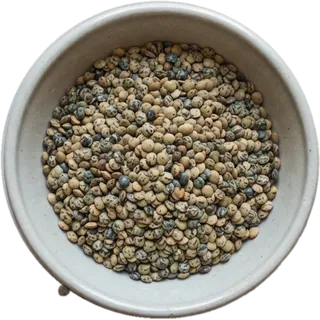
A white bean harvested before it fully dries, simmered for hours with onion until it collapses into cream, then spread on toasted bread with a thread of olive oil. The dish fed Vendée farmhouses through the nineteenth and twentieth centuries and still opens the Easter Monday table around Luçon and the Marais poitevin.
How to order
Une tartine de mojettes, sans beurre ni jambon, s'il vous plaît.
Ask for the toast without butter and the ham left off: “Sans beurre ni jambon, s'il vous plaît.” Once that's settled the beans themselves need nothing further, since they're simmered in water, onion and oil alone.
History
The mojette — also spelled mogette — is a white kidney bean grown on the reclaimed marshland of the Marais poitevin and around Luçon in Vendée, sown in May and picked demi-sec in August, half dry on the vine so it cooks down to cream rather than staying firm. Vendéen farms kept pots simmering through the nineteenth and twentieth centuries as a cheap, filling food for day labourers, and rural depopulation after the war thinned the growers until an IGP protection fixed in 2010 set the variety and the ground it has to come from. It remains the dish of Easter Monday across Vendée, served with the first ham of spring.
The bean itself cooks in water with onion, a bay leaf and a spoon of olive oil, and the pot by itself is plant end to end. Animal product enters at the table rather than in the simmering: the classic plate is mojettes spread on toasted pain de campagne that has been buttered first, set beside a slice of jambon de Vendée. Asking for the bread toasted plain, with oil instead of butter, and the ham left off the plate settles the question; nothing needs removing from the beans underneath.
Where to get it
Boulangeries and bar-tabacs around Luçon and the Marais poitevin serve it as a midday counter snack, a tartine running €3-5; at Easter Monday lunches across Vendée it reaches the table as a side dish included in the set menu.