Milhàs
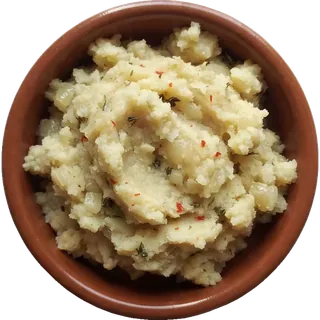
Maize flour is cooked down with water and salt into a stiff porridge, poured onto a board to set, then sliced and fried until crusted on both sides. It was the everyday bread of Gascon farmhouses before wheat flour became affordable, eaten at breakfast or alongside a stew in the Landes and Hautes-Pyrénées.
How to order
Une portion de milhàs, s'il vous plaît, frit à l'huile et non à la graisse de canard.
Market stalls and farmhouse auberges in Gascony fry milhàs in duck or goose fat by default, so ask “Est-ce que c'est frit à l'huile ou à la graisse de canard ?” and request oil if that matters. A stall frying in one shared pan of duck fat all morning may not be able to change it on the spot, so it is worth asking before ordering rather than after.
History
Milhàs is Gascon Occitan for a maize porridge cooked thick and poured out to set before being cut and fried; French food writing usually renders the name as millas. It belongs to the plain country around the Landes, the Gers and the Hautes-Pyrénées, the old maize-growing land that fed people and poultry alike once maize reached Gascony from the Americas in the sixteenth century. Farmhouses made it because maize was cheaper than wheat, and it fed the household at breakfast or stood in for bread beside a daube or a garbure. Markets in Pau and Mont-de-Marsan still sell it in blocks ready to slice.
The base is maize flour, water and salt, simmered into porridge with no animal product in it at that stage. The fat is where meat enters: Gascon kitchens default to goose or duck fat, rendered from the same birds raised for foie gras and confit, to grease the pan and fry the cut slabs, since it is the standing fat in the larder. Vegetable oil or sunflower oil fries milhàs just as well and some rural cooks use it for everyday batches, so the fat used for frying is the detail to settle before the pan goes on.
Where to get it
Covered markets and farmhouse auberges across the Gers, the Landes and the Hautes-Pyrénées, in towns like Mirande, Mont-de-Marsan and Tarbes, where it is sold by the slice for €2-4 or set alongside a garbure on a farmhouse lunch menu for around €15-18; most common in autumn, after the maize harvest.