Acitrón de Biznaga
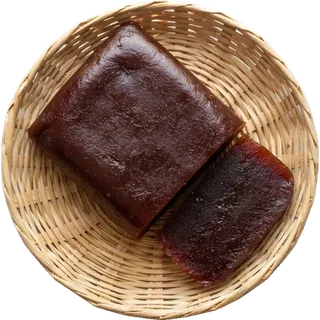
The pale, nearly see-through flesh of the barrel cactus, slow-candied in sugar until it turns glassy and chewy. It goes into rosca de reyes and into the stuffing for chiles en nogada.
How to order
¿El acitrón es de biznaga o de papaya?
Either answer is vegan — real biznaga is cactus and sugar, and the papaya or pineapple used in its place is no different. The question is worth asking only out of curiosity about which one ended up in the rosca.
History
Acitrón de biznaga is the candied flesh of the biznaga, a barrel cactus native to the highlands of Zacatecas and San Luis Potosí, cut into cubes and simmered in sugar syrup over repeated days until translucent. It is a fixture of two dishes with fixed calendars: the rosca de reyes eaten on Día de Reyes in early January, and the stuffed chiles en nogada served around Mexican Independence Day in September.
Cactus and sugar are the whole recipe, and no animal ingredient enters at any stage. The complication is not dietary but ecological: a biznaga grows about a centimetre a year, the species is now protected, and legal acitrón has to come from plants raised for the purpose on cultivated land. Most bakers sidestep the question entirely and use candied papaya or pineapple cut into the same small cubes, which looks and tastes close enough that few diners notice the substitution.
Where to get it
Bakeries and markets in Zacatecas and San Luis Potosí sell it by the piece or by weight year-round, but it is easiest to find in the weeks before Día de Reyes and again in late summer when chiles en nogada come into season.