Capirotada
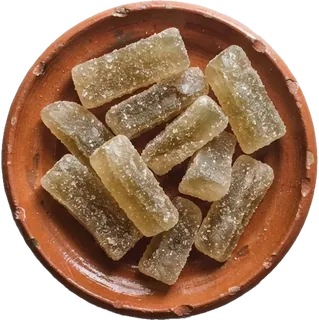
Toasted bolillo soaked in piloncillo syrup scented with cinnamon and clove, layered with raisins, peanuts and banana or guava, then baked until the bread turns dark and soft. It is Lent's bread pudding, eaten across the north and the Bajío.
How to order
¿La capirotada lleva queso o está hecha con leche?
Confirm both points at once, since either can appear: ask if the dish carries cheese between the layers and whether the syrup was made with milk or water; a version made with water and no cheese is fully plant-based.
History
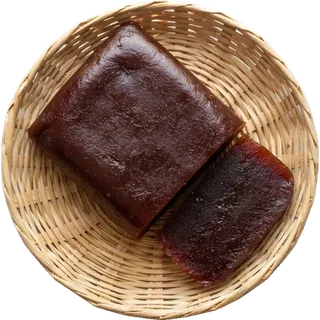
Capirotada is made during Cuaresma, the weeks of Lent, in homes across northern Mexico and the Bajío, with Sinaloa and Zacatecas among the places most attached to it. Stale bolillo is toasted, then layered in a dish with a hot syrup of piloncillo cooked with cinnamon and clove, along with raisins, peanuts and often banana or guava, and baked until set. Every family keeps its own ratio of fruit to nut to syrup, and arguments over whose version is correct are part of the season.
Bread, cane syrup, spice, dried fruit and nut are all plant in origin, which puts the dish's base squarely on the vegan side. Where it slips is the cheese many cooks lay between the layers before baking, and the fact that some households sweeten the syrup with milk rather than water. Asking a cook to leave out the cheese and to confirm the syrup is made with water settles the matter.
Where to get it
Home kitchens, church halls and market stalls through Cuaresma in Sinaloa and Zacatecas, usually offered free or for a small donation rather than sold at a fixed price.