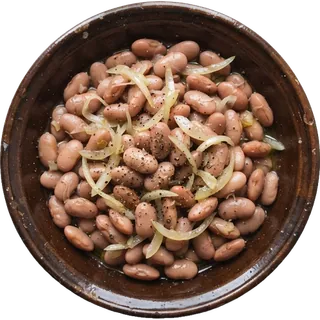
Aleluja
A sour, earthy soup made from the peelings and trimmings of fermented turnip, thickened with a little flour and finished with sautéed onion.
How to order
Prosim alelujo.
To order it, say “Prosim alelujo.” The soup is naturally plant-based, so no confirmation is normally needed, though it is reasonable to ask whether any cream or butter has been added as a finishing garnish.
History
Aleluja is documented in Črnomelj, in Bela krajina, where turnip was soured in barrels for winter storage and nothing from the vegetable was discarded. The soup is made by cooking the peels and trimmings left over from preparing soured turnip, straining the liquid, and thickening it with a little flour. It was eaten at the end of Lent, and its name comes from the Easter acclamation “alleluia” that marked the return to foods households had abstained from during the fast. Households made it as a frugal use of kitchen scraps rather than as a dish prepared for guests.
Every ingredient in the pot is plant in origin: turnip peelings, onion, flour and oil. No animal product is simmered into it at any stage, and the tradition itself explains why: the soup was eaten at the close of a Lenten fast in which fat of animal origin was avoided altogether, so none went into the broth. The point where meat fat most commonly enters Slovenian soups, zabeljenje with lard, ocvirki, butter or cream added at the end of cooking, does not apply here because the dish's Lenten purpose excluded it from the start. Nothing needs to be asked or left off to keep this soup plant-based; it is naturally so by design and by history.
Where to get it
It appears on menus of small guesthouses and home kitchens in Črnomelj, in Bela krajina, typically served in early spring around Easter when Lenten fasting ends and soured turnip stores remain on hand.