Apple Cider
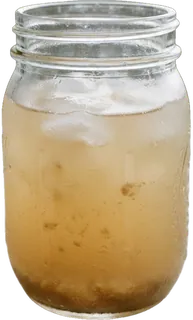
Pressed each October at mills in New York's Hudson Valley and in Michigan's orchard counties, this cider is strained only once, left cloudy with apple sediment, and served warm with cinnamon and cloves or cold straight from the jug.
How to order
Could I get a cup of cider, please?
At a mill counter, ask ‘is this cider mulled with honey or just spiced?’ to confirm the sweetness comes from the apples and the spice mix, not an added sweetener.
History
Cider mills have pressed apples each fall in New York's Hudson Valley since the 1700s, and in Michigan's Fruit Belt orchards since German and Dutch settlers planted orchards there in the 1800s. Families and small growers brought bushels to a shared press, crushing the fruit and running the pulp through cloth to draw off juice without clarifying or pasteurizing it. The result stayed cloudy, sold by the gallon jug at the mill stand or at harvest festivals through October and November. Many mills still operate seasonally only, some on the same sites for four or five generations, selling cider alongside apples, squash and late-season produce.
Apple cider itself carries no animal ingredient: it is simply apples, crushed and pressed, with nothing added beyond spice. That holds whether it is sold straight from the press or warmed at a stand with cinnamon sticks and cloves. Where dairy or eggs enter this cuisine is in what sits beside the cider at the same counter — cider doughnuts fried in lard or finished with a butter glaze, or mulled versions sweetened with honey rather than sugar. A diner buying the cider alone has nothing to settle, but anyone ordering the doughnut or the spiced version on the stove checks what else went into it.
Where to get it
Available at cider mills and orchard stands throughout New York's Hudson Valley and Michigan's Fruit Belt from September through November, including county fall festivals and farm markets.