Kosher Dill Pickle
Cucumbers sit in barrels of salt brine with garlic, dill and spices, left to ferment for days or weeks until they turn half-sour or full-sour, sour and salty from natural fermentation rather than vinegar.
How to order
Could I get a full-sour pickle, please?
Ask whether the barrel is ‘half-sour’ or ‘full-sour’; both are just cucumbers fermented in brine with no vinegar or added fat, differing only in how long they've cured.
History
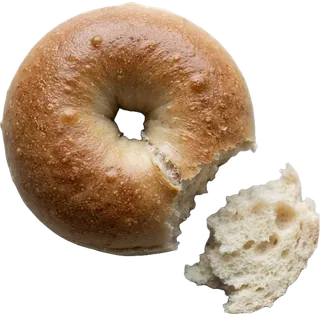
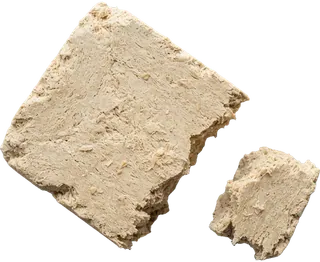
Pickle makers on the Lower East Side of Manhattan sold cucumbers cured in open wooden barrels from pushcarts on Essex Street from the 1890s, part of the Ashkenazi Jewish immigrant food trade that also produced bagels and halvah nearby. "Kosher" in this context named the garlic-and-dill style brought from Eastern Europe, not only a certification. Guss' Pickles opened on Essex Street in 1910 and kept selling barrel pickles by sourness, half-sour for a few days' ferment, full-sour for weeks, a distinction customers still ask for by name at the counter.
The brine itself is plant-only: cucumbers, water, salt, garlic, dill and pickling spices, soured by lactic fermentation rather than added vinegar, so nothing animal has a customary place in the barrel. The dish is naturally vegan as traditionally made, and what a diner actually settles is less about the pickle than about where it's sold — a deli counter also slicing corned beef and pastrami on the same boards, or a packaged brand that swaps in dye, calcium chloride or other shortcuts instead of true fermentation. Bought straight from the barrel, it stays cucumbers, salt, water, garlic and dill.
Where to get it
Delis and old-style appetizing stores in New York City, especially on the Lower East Side, sell them straight from the barrel year-round, and street festivals around the city set up pickle stands in warmer months.