Arroz Carolino do Baixo Mondego
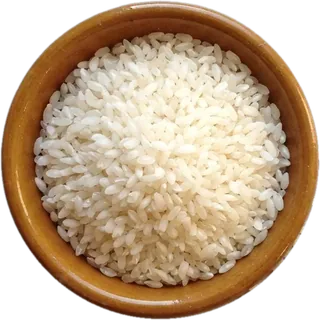
A short, plump rice grown on the flooded fields of the Baixo Mondego, around the market town of Montemor-o-Velho. It carries a protected geographical indication, the companion to the better-known rice of the Ribatejo.
How to order
Queria arroz carolino do Mondego, por favor.
The rice on its own has nothing animal in it; worth checking only that it is genuine Baixo Mondego carolino and not a different variety sold under a similar name, which the bag's geographical indication label usually confirms.
History
Carolino rice comes from the floodplain of the Baixo Mondego, centred on Montemor-o-Velho in central Portugal. The paddies are built on land where the river itself is diverted to flood the fields, a method of farming that goes back to the Middle Ages. The rice holds a protected geographical indication, set alongside that of the Ribatejo as one of the country's two recognised rice-growing regions.
The grain is rice and nothing more — a plant product from field to mill, with no animal step anywhere in its growing or processing. The real question with carolino is not what might creep in but what it is cooked into afterwards, since the rice itself arrives at the pot as a blank, unseasoned ingredient.
Where to get it
Grocers, markets and rice mills in Montemor-o-Velho and across the Baixo Mondego, sold bagged under its protected geographical indication; the flooded paddies are visible from the fields each growing season.