Doce de Marmelo Branco
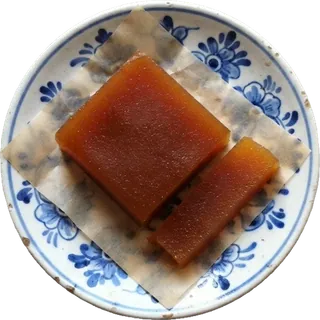
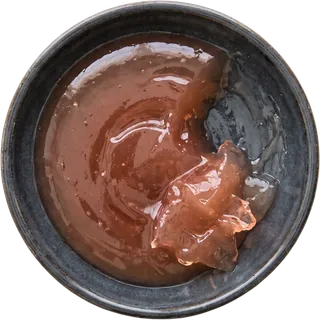
The lightest of the quince pastes, drawn from the first pressing of the cooked fruit and set with sugar until it turns clear and nearly white. It comes from the same autumn batch as the familiar dark marmelada, and is the one households rate higher.
How to order
Tem doce de marmelo branco?
The paste is quince and sugar only, so no question is needed to confirm it; the only thing worth asking is whether the kitchen made the pale pressing that day or just the usual dark marmelada.
History
Doce de marmelo branco is made in the same kitchen sessions that produce marmelada, the well-known dark quince paste of Portugal, but it is drawn off earlier: the first, palest pressing of the cooked quince, set with sugar before the rest of the fruit is reduced further and darkens into marmelada proper. Cooks who put up quince each autumn generally hold the pale version in higher regard than the dark one it comes from.
The paste is fruit and sugar, nothing more, and that holds for both the pale and dark versions produced in the same pot that day. There is no animal step hidden anywhere in the process — only the question of which pressing of the quince ends up in which jar.
Where to get it
Home kitchens in Portugal during the autumn quince season; made alongside the more common dark marmelada but less often sold, as families tend to keep the pale batch for themselves.