Beipu Lei Cha
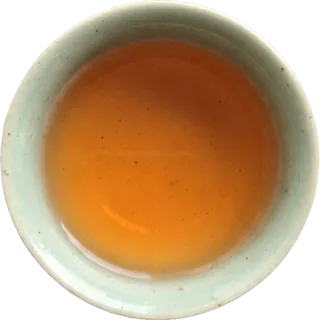
Lei cha is tea ground with peanuts, sesame and seeds in a ridged clay mortar using a guava-wood pestle until the mixture turns oily, then let down with hot water and finished with puffed rice. Beipu Township in Hsinchu County serves it.
How to order
老闆,兩份擂茶,謝謝。
Ask before they open a sachet: 「這個擂茶粉有沒有加奶粉?」, meaning 'does this lei cha powder have milk powder in it?', since farmers' association packets include skimmed milk powder while several shop blends are grains and seeds only; take it made with hot water rather than milk, and skip the honey.
History
Lei means to grind. The mortar is thrown in clay with grooves cut inside, and the pestle, about forty centimetres long, is cut from guava or oil-tea wood, barked and dried. Green tea goes in with peanuts, black and white sesame, pumpkin seeds and grains, and is worked against the grooves until the nuts give up their oil and the mass turns to paste; hot water is then poured in and puffed rice scattered on top. Hakka households made it for guests, who took turns at the pestle. Beipu shops opened after 1999, when the township farmers' association had local people trained and the drink was presented at Citian Temple.
The bowl is tea, nuts, seeds, grains and sugar, which is what makes it filling: the ground peanut and sesame oil gives the body that milk would give elsewhere. The animal ingredient enters through the packaged blends. Beipu farmers' association sachets list skimmed milk powder and are marked as lacto-vegetarian, while the house blends of several Beipu shops list twenty or more beans, grains and seeds with no dairy at all. Honey is also offered as a sweetener for the iced version, and milk as a brewing liquid. Ask for a blend without milk powder and take it with water.
Where to get it
The lei cha shops along Beipu Old Street around Citian Temple, among them the Sanshijiu Hao shop, where the mortar is brought to the table and visitors grind their own; packets are also sold by the Beipu farmers' association.