Benne
Sesame seeds, called benne by Gullah Geechee cooks along the South Carolina coast, arrive toasted and ground into soups, rice dishes, and brittle candies, their nutty, smoky flavor carried from West Africa through generations of coastal farming and kitchen work.
How to order
Could I get a bag of benne wafers, please?
Ask the vendor if the wafers are ‘made with oil, not butter’ before buying, since some Charleston bakeries keep butter in the recipe while others use shortening or oil.
History
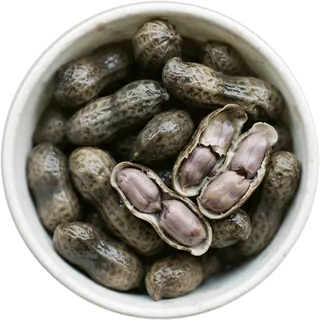
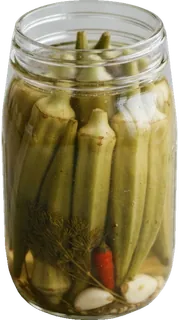
Benne, the Gullah Geechee word for sesame, descends from seeds carried from West Africa on the ships that transported enslaved people to the Carolina Lowcountry in the late 1600s and early 1700s. Enslaved cooks planted benne in garden plots alongside rice, okra, and peanuts, and toasted the seeds to flavor stews, grind into oil, and press into brittle candies. Around Charleston, benne seed cakes and wafers became a point of local trade by the nineteenth century, sold by street vendors and at market stalls. Gullah Geechee communities along the Sea Islands and South Carolina coast continue to grow and toast benne for soups, rice dishes, and confections passed down through family kitchens.
Benne itself is entirely plant: the toasted seed, hulled or whole, carries no animal matter, and traditional benne soup, benne rice, and benne brittle are made with oil, sugar, and water alone. The animal product enters only in one widely sold form: the crisp benne wafer served at Charleston tea tables and sold in tins along King Street, where recipes typically call for butter to bind the dough. A diner ordering benne soup or benne candy need not ask further, but anyone buying wafers at a bakery or gift shop should confirm the fat used, since some producers substitute vegetable shortening or oil while others keep butter in the recipe.
Where to get it
Benne wafers and benne brittle are sold at Charleston Lowcountry markets, Gullah Geechee heritage festivals on the Sea Islands, and specialty grocers across the South Carolina coast, with brittle especially common around the winter holidays.