Pickled Corn
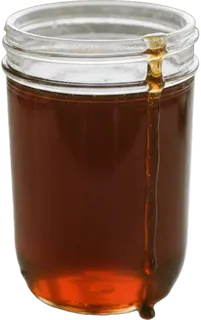
In West Virginia and Kentucky kitchens, whole ears or cut kernels go into a crock of brine and sour over days until sharp and earthy. Families kept jars of it through winter, a tart counterpoint to cornbread and beans when the garden had nothing left to offer.
How to order
Could I get a jar of pickled corn, please?
Ask the stand or counter ‘is this warmed in bacon grease?’ since some cooks reheat the corn in a skillet with pork drippings before serving it as a side.
History
Appalachian households in West Virginia and Kentucky put up pickled corn in late summer, after the harvest, packing husked ears or cut kernels into a crock with salt water and letting natural fermentation sour them over one to two weeks. Cellars and springhouses held the crocks through cold months, when fresh vegetables were scarce and preserved food carried a household from October to spring. The practice follows the same lactic fermentation used for sauerkraut and traditional dill pickles, brought into the mountains by German and Scots-Irish settlers and adapted to the corn crop that dominated mountain farming. It remains a home kitchen practice today, made in small batches and passed between neighbors and kin.
The brine itself holds only corn, salt and water; lactic bacteria do the souring, so the traditional recipe carries no animal ingredient at any stage of fermentation. Where pork enters Appalachian cooking is elsewhere on the plate: soup beans simmered with a ham hock, greens cooked down with fatback, or a skillet of pickled corn itself warmed in bacon grease before it reaches the table as a side. A diner ordering it therefore settles one thing — whether the jar is served cold and plain or reheated in pork drippings, which is a serving choice rather than part of the ferment.
Where to get it
Farm stands, country stores and fall festivals across West Virginia and Kentucky sell jars of pickled corn, most widely after the corn harvest in late summer and on through the winter.