Sorghum Syrup
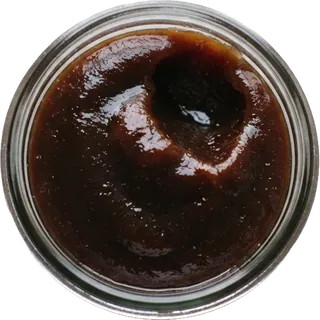
Cane sorghum, crushed at a mule-turned mill and boiled down in open pans until it thickens to a green-gold syrup, has sweetened Appalachian tables since the nineteenth century, when Kentucky and Tennessee farm families grew a single autumn planting for one annual pressing and boil.
How to order
Could I get a jar of sorghum syrup, please?
At a farm stand or country store, ask ‘is this pure sorghum, or is it cut with corn syrup or butter?’, since some bottlers thin it for pouring, and if it comes with biscuits, check whether those were made with buttermilk.
History
In Berea, Kentucky, and across east Tennessee, families have grown cane sorghum and pressed it since the 1850s, after the crop spread through the upland South as a sugar substitute during years when cane sugar was costly or scarce. A mule or horse walked a circular path to turn the press, squeezing green stalks for their juice, which was then boiled for hours in a shallow pan over a wood fire until it reduced to syrup. The work fell to autumn, after the first frost, and neighbors often gathered for the boiling, a gathering still called a stir-off in parts of Kentucky and Tennessee, with the syrup bottled and sold or kept through winter for cornbread and biscuits.
The syrup itself carries nothing animal: cane juice reduced by heat to syrup, with no dairy, egg or fat stirred in at any stage. The animal question in this cuisine enters at the table rather than the pan, since sorghum syrup is poured over foods that do carry it — biscuits made with buttermilk and often lard or butter, cornbread batters that use buttermilk and egg, or a slice of country ham glazed with the syrup itself. A diner buying the syrup alone has nothing to check; a diner ordering the full plate settles what the biscuit, cornbread or ham underneath was made with before eating.
Where to get it
Farm stands and country stores across Kentucky and Tennessee sell bottled syrup year-round, and sorghum festivals in Berea, Kentucky, and other Appalachian towns run each September and October during the cane harvest and stir-off season.