Schnitz
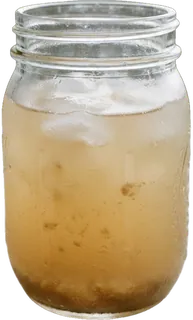
Schnitz are apple quarters dried until leathery and deep amber, a Pennsylvania Dutch way of carrying an autumn harvest through winter. Lancaster County families stewed them into pies and compotes once fresh fruit was gone, prizing the concentrated sweetness drying brings out.
How to order
Could I get a bowl of stewed schnitz, please, without the ham?
At a market stand or diner counter, ask plainly ‘is this just the apples, or is it schnitz un knepp with ham?’ since the two are often sold side by side under similar names.
History
Pennsylvania Dutch farm families in Lancaster County have dried apples this way since the 1700s and 1800s, when a fall harvest had to last through a cold season with no refrigeration. Apples were cored, quartered and spread on racks in barn lofts or attics, turned regularly until leathery, then stored in cloth sacks or bins. Come winter, the dried pieces were soaked and stewed with sugar and cinnamon for pies, or simmered into schnitz un knepp, a sweet-savory dish of apples, brown sugar and flour dumplings served at harvest suppers and church gatherings across Lancaster, Lebanon and Berks counties.
The dried apple itself is only fruit: quartered, dried, stewed with sugar and spice, with no animal ingredient at any point. Where an animal product enters Pennsylvania Dutch cooking is in schnitz un knepp specifically, where the apples and dumplings are traditionally simmered in the same pot as a ham hock or diced ham, its fat and salt running through the cooking liquid. A diner who wants the plant-based version settles, before ordering, whether the apples are being served stewed on their own or as part of the ham-based dish.
Where to get it
Pennsylvania Dutch farm markets and roadside stands across Lancaster County sell dried schnitz by the bag year-round, with stewed schnitz and schnitz un knepp appearing on diner and harvest-supper menus especially in fall and winter.