Bibim-guksu
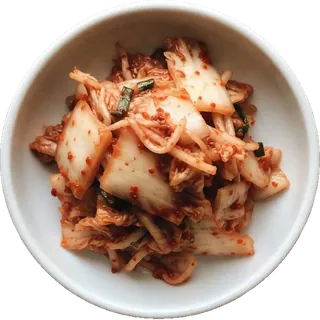
Thin wheat noodles are boiled briefly, rinsed in cold water, then tossed with a sauce of gochujang, vinegar and sugar, along with shredded cucumber and chopped kimchi. In Seoul it is a July and August lunch, made at home or ordered at noodle counters when the heat makes hot soup unappetising.
How to order
비빔국수 계란 빼고 주세요.
The egg lifts off easily, so ask for it left off with “비빔국수 계란 빼고 주세요.” The kimchi is a harder ask: it was fermented with jeotgal weeks before serving, so a cook cannot pull it back out at the counter, only serve a different batch if the kitchen happens to keep one made without jeotgal.
History
Bibim-guksu (비빔국수) combines bibim, mixed, and guksu, noodles — thin wheat noodles, somyeon, tossed cold rather than served in broth. It spread as a household dish after wheat flour, distributed through American food aid in the 1950s and 1960s following the Korean War, became cheaper and more available than rice for many families. Seoul kitchens still make it the same way: boil the noodles briefly, rinse them in cold water, then toss with the sauce, cucumber and kimchi. It is a summer lunch, eaten at home and at plain noodle shops when a hot bowl of soup holds no appeal.
The noodles, sauce and cucumber are plant-based outright — no stock is involved, since the dish is tossed rather than simmered in broth. The kimchi is the one fixed point: most Korean kimchi paste includes jeotgal, salted fermented shrimp or anchovy, worked in during fermentation months before serving, so it cannot be removed from a finished batch. Half a boiled egg on top is a garnish added at the table, easy to ask to leave off or set aside. A plant-based bowl therefore depends on finding kimchi made without jeotgal, which some home cooks and a few restaurants now keep on hand.
Where to get it
Home kitchens and guksujip noodle shops across Seoul, including stalls in older markets like Gwangjang Market, serve it through the hottest months, June to August; a bowl at a neighbourhood noodle shop runs 5,000-8,000 won.