Castanhas Piladas
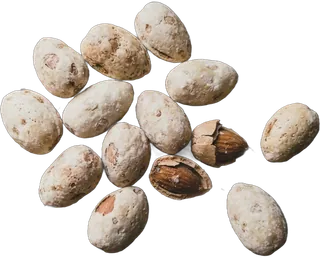
Chestnuts dried for months over a smoky fire, then beaten to loosen their skins — the way Trás-os-Montes kept its winter staple before the potato arrived, with a faint taste of smoke that lasts a year.
How to order
Uma dose de castanhas piladas, por favor.
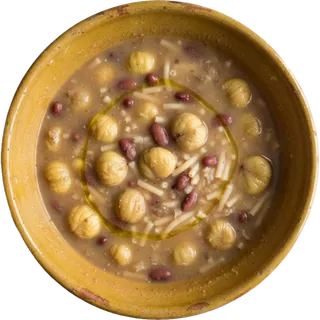
The chestnuts are chestnut, smoke and time and nothing else; whatever needs checking belongs to the soup, rice or sweet they end up in, not to the castanhas piladas on their own.
History
Castanhas piladas are chestnuts dried slowly over a wood fire in a caniço, a loft of woven cane set above the smoke, until hard enough to keep. Once dry they are beaten — pilar, to pound — to shed their skins, the step that gives the dish its name. In Trás-os-Montes, Portugal's remote northeastern province, this was how households carried their staple crop through to the next harvest, before the potato took over that role.
Chestnut, smoke and time are the whole of the process, from loft to mortar, with nothing animal at any stage. What changes is what they go into afterwards — stirred through soup, added to rice, worked into a sweet — so any question about what's vegan belongs to that pot, not to the castanhas piladas themselves.
Where to get it
Village markets and household kitchens across Trás-os-Montes, especially in autumn and winter, when the previous season's dried chestnuts come down from the caniço loft for cooking.