Chicory Coffee
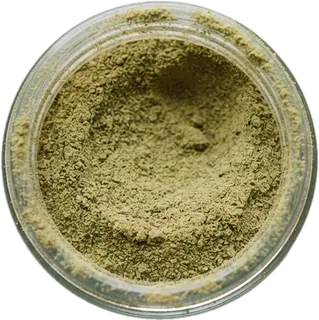
Roasted chicory root, ground and blended with coffee, has flavored New Orleans mornings since supplies ran short during the Civil War blockade. The black cup carries a bitter, smoky edge that outlasted the shortage that created it.
How to order
A black coffee with chicory, please.
At a New Orleans coffee stand, specify the coffee ‘black, no milk’ if ordering it on its own, since the default pairing is café au lait with scalded milk. If café au lait is wanted, ask for a plant milk in place of the dairy.
History
New Orleans grocers and home cooks began stretching coffee with roasted, ground chicory root in the early 1860s, when the Union blockade of the Mississippi cut off coffee shipments to the city. Chicory root, dried and roasted until dark, ground to a similar texture as coffee beans, filled out the scarce supply without changing the brewing method. After the war the habit stayed, kept by Louisiana roasters such as those along the French Market, and chicory coffee became the standard dark roast sold in the city's grocery stores, cafés and tins, brewed daily in households that never went back to coffee alone.
The chicory and coffee blend itself is plant matter only: roasted root and roasted bean, water, nothing else, and the black cup poured straight has no animal ingredient at any stage of roasting, grinding or brewing. The dairy enters only at the table, in New Orleans's other standard order, café au lait, where the cup is filled half with scalded milk alongside the chicory coffee. A customer who wants the plant-based version orders the black coffee on its own, or asks that the milk be swapped for a plant milk if café au lait is what they are after; either way the coffee itself needs no change.
Where to get it
Sold ground in tins and bags at New Orleans grocery stores year-round, and poured strong at French Market coffee stands and French Quarter counters; it shows up heavily at Mardi Gras gatherings and the spring French Quarter Festival.