Chihshang Mi
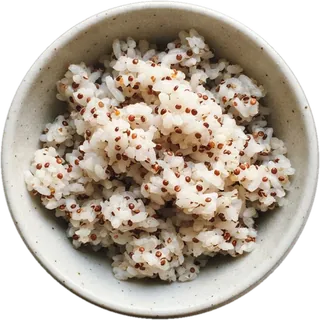
Japonica rice grown in the paddy fields of Chihshang Township in Taitung, on the floor of the Huatung valley. It is sold under a registered place-of-origin mark and eaten plainly, as a bowl of white rice.
How to order
老闆,我要一包池上米,謝謝。
The rice is only grain and water; the doubt is what arrives with it, since the wooden lunch box it is famous for is built on braised pork. At a lunchbox counter ask 「請問有素的便當嗎?」, meaning 'do you have a vegetarian box'.
History
Chihshang lies at about 300 metres on the floor of the Huatung valley, where a wide day-to-night temperature range and roughly 1,500 hectares of paddy give the grain a long filling period. The three varieties grown most are Kaohsiung No. 139, released in 1975 and still the rice used for the wooden-box railway lunch, Taikeng No. 2 and Kaohsiung No. 145. The district was called Hsinkaiyuan under the Qing and renamed Chihshang in 1910, during Japanese rule, when an eastern settlement programme opened the plain and ponlai rice was brought in from Japan. In 2005 the township office registered Chihshang Mi as Taiwan's first place-of-origin certification mark, with grain required to be grown in the township and to pass residue and eating-quality testing.
Cooked rice is grain and water, so the bowl itself carries no animal ingredient. What enters is whatever is put on top. The oldest local habit, remembered by farming households in the township, is to pour hot lard and soy sauce over cold rice, and the lunch box that made the rice famous is built on braised pork, with pork floss, dried meat and a slice of liver in the earliest versions sold on the station platform. A diner who wants the rice without any of that asks the lunchbox counter for a vegetarian box, or buys the milled rice and cooks it; the grain is sold plain at the farmers' association.
Where to get it
Milled and sold at the Chihshang Farmers' Association's Golden Harvest Hall in Hsinhsing village, which also shows the milling, and at shops around Chihshang station. The paddies either side of Boulang Boulevard and Tiantang Road in Wan'an are harvested in October and November, when the autumn harvest arts festival is staged in the fields.